
Over the next two years, the TRCP will sustain and improve federal policies and rulemakings that safeguard America’s public lands and advocate for durable, locally supported protections on landscapes that are critical for fish and wildlife and hunting opportunity, along with community and economic vitality. The TRCP will strategically engage the outdoor recreation business community and other partners on behalf of public lands conservation in each campaign based on the opportunity and impact through the development of messaging and advocacy opportunities, and shared communications resources.
With a resurgence of Congressional proposals to sell large segments of federal public land and the threat of a rollback to the U.S. Forest Service 2001 Roadless Rule, the TRCP and partners will demonstrate the value of public lands to the American people and local economies. The federal government manages 640 million acres of public land in the United States, representing nearly 30% of the country’s total land area. More than $351 million dollars are added to the U.S. economy every day from recreation on federal lands and waters. Safeguarding these valued places is critical to ensuring future generations have access and that local communities and businesses are able to benefit from recreation and visitation.
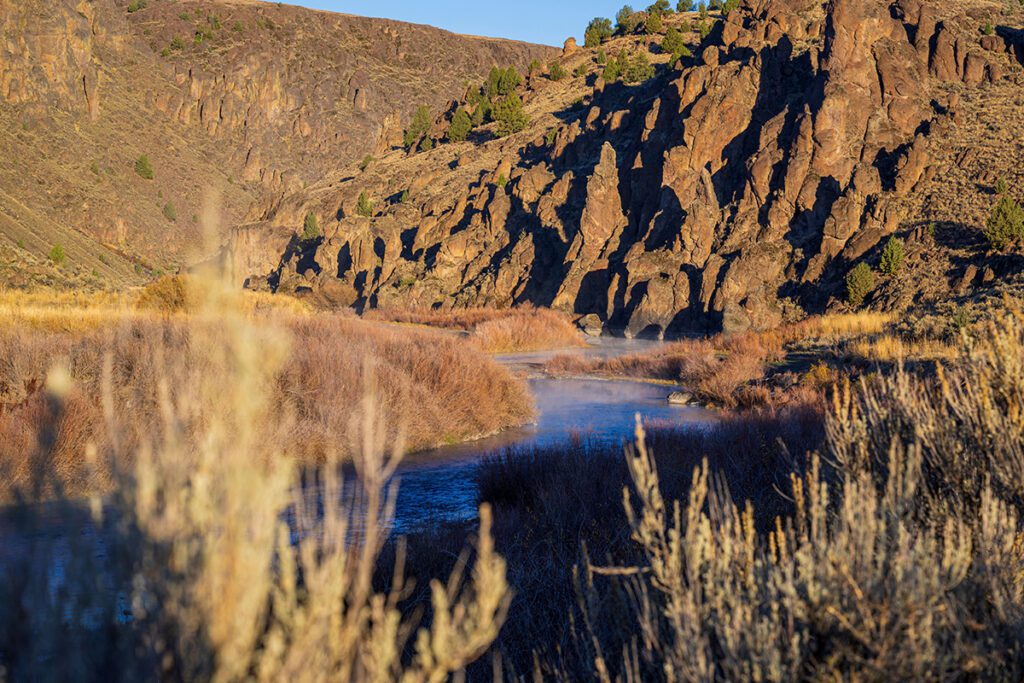
The TRCP is also working to protect two special places in the West that provide important habitat connectivity and hunting and fishing value: Nevada’s Ruby Mountains and Oregon’s Owyhee Canyonlands. The Ruby Mountains support vital habitat for elk, mountain goats, bighorn sheep, sage grouse, eagles, and native cutthroat trout, and are home to the largest mule deer herd in Nevada. Oregon’s Owyhee canyonlands cover 4.6-million-acres of some of the most remote and untouched public lands in the lower 48 states. The region is home to more than 200 species of wildlife and was identified by the U.S. Fish and Wildlife Service as one of just six sage-grouse strongholds left in the West. Both the Owyhee and the Ruby Mountains support outstanding fish and wildlife habitat and warrant durable protection as both places face mounting development pressures, such as mining prospects for lithium and gold and potential oil and gas leases, as well as increased pressures caused by climate change.