
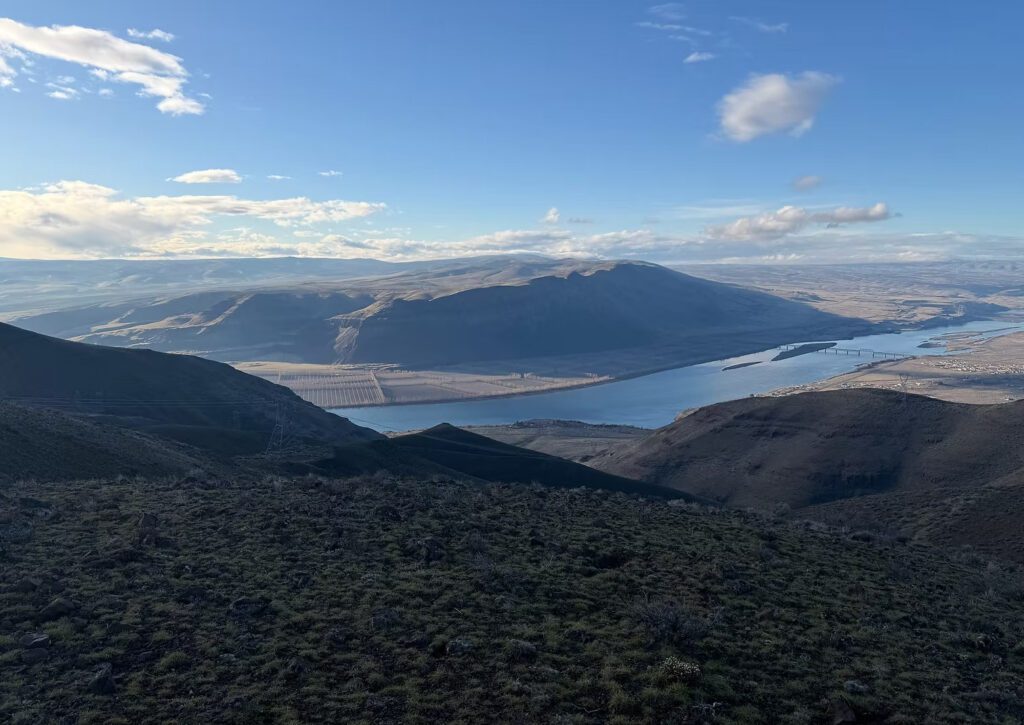
 Historically stewarded by the Yana and Wintu peoples, the site was lost to Indigenous communities through settler colonization, broken treaty promises, and dispossession. Decades of homesteading, cattle grazing, ATV use, and overgrazing ranch left the land significantly degraded.
In December 2024, Native Roots Network (NRN) rematriated the property with a clear mission: restore ecological health and cultural vitality through Traditional Ecological Knowledge (TEK) and contemporary land science. Restoration priorities include stabilizing eroded soils, rebuilding native plant communities, improving watershed function, and reducing catastrophic wildfire risk. Key partners include Point Blue Conservation Science, CalFire, Sierra Institute, Western Shasta Resource Conservation District, and Shasta Fire Safe Council.
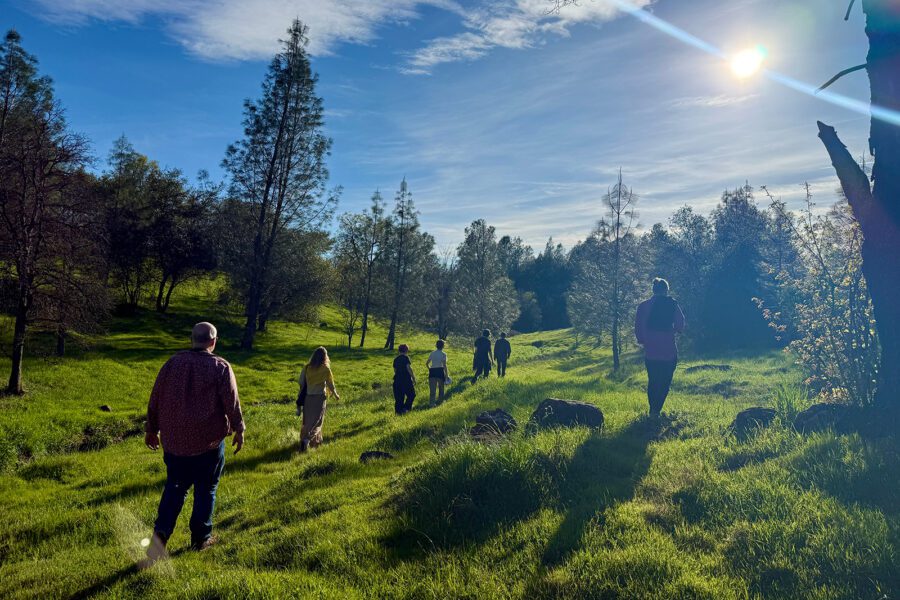
Central to NRN’s approach is the Yəkila Land Stewardship Cohort, launched in the summer of 2026. Named for the Wintu word for blue oak acorn, the eight-week program engaged 9 young adults in hands-on TEK-based restoration — replanting native perennials, preparing for cultural burns, and processing restoration materials into sustainable products through NRN’s on-site digital fabrication shop where the remaining wood waste will be converted to biochar for soil health and revenue. The program embodies NRN’s “Acornomics” framework, weaving Indigenous reciprocity, workforce development, and ecological stewardship into one vision.