
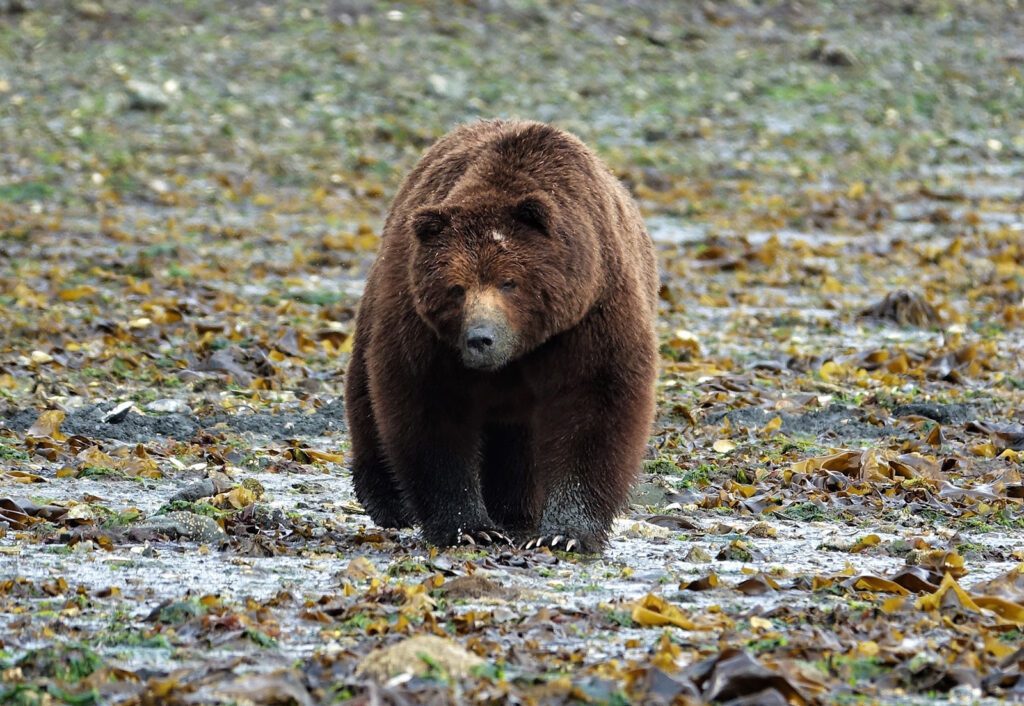
 Southeast Alaska’s Tongass National Forest and its adjacent Transboundary region represent one of the world’s most vital wild salmon ecosystems. Spanning more than 85 percent of Southeast Alaska’s landmass, the Tongass sustains millions of wild salmon annually, supports ancient Indigenous cultures, and feeds a rich web of wildlife — from orcas and brown bears to eagles and sea lions. Its 73,000 residents depend on it for jobs, food, and a distinctive way of life, making it the crown jewel of America’s national forest system.
The Tongass now faces a critical inflection point. The regional economy has shifted dramatically away from logging toward tourism, recreation, and commercial fishing — now the largest and second-largest private employers, respectively. Logging accounts for just half of one percent of regional jobs. Despite this economic reality, the current Administration has launched a forest planning effort aimed at dramatically expanding old-growth logging and rolling back Roadless Rule protections, directly contradicting both conservation goals and local economic interests.
In response, advocates are pursuing a two-track strategy over the next 24 to 36 months: stopping harmful logging proposals while advancing a new, conservation-forward Tongass Land Management Plan. The effort centers on protecting all primary fish-producing watersheds, preserving deer winter range, and establishing a robust recreation zoning framework. Salmon and deer — resources deeply valued by both Indigenous communities and the general public — serve as accessible entry points for building broad-based conservation support beyond traditional environmental constituencies.