
(April 16, 2026) – House Joint Resolution 140, introduced by Rep. Stauber (R-MN-08), which passed through the House on January 21st, has now also passed through the Senate. The resolution invokes unprecedented use of the Congressional Review Act to overturn the 20-year Public Land Order formalizing a mineral withdrawal in the headwaters of the Boundary Waters Canoe Area Wilderness.
This withdrawal previously protected 225,504 acres of Superior National Forest land, which is interconnected with waters across the Wilderness. Opening the region to sulfide-ore copper mining could decimate the region’s thriving outdoor recreation economy, critical habitat for a variety of native species, and key areas for Tribal hunting, fishing, gathering rights. It will also put thousands of jobs at risk and threaten the state’s $13.5 billion outdoor recreation economy, while also impacting other outdoor businesses from across the country who rely on the region for revenue given its size, visitation, and significance.
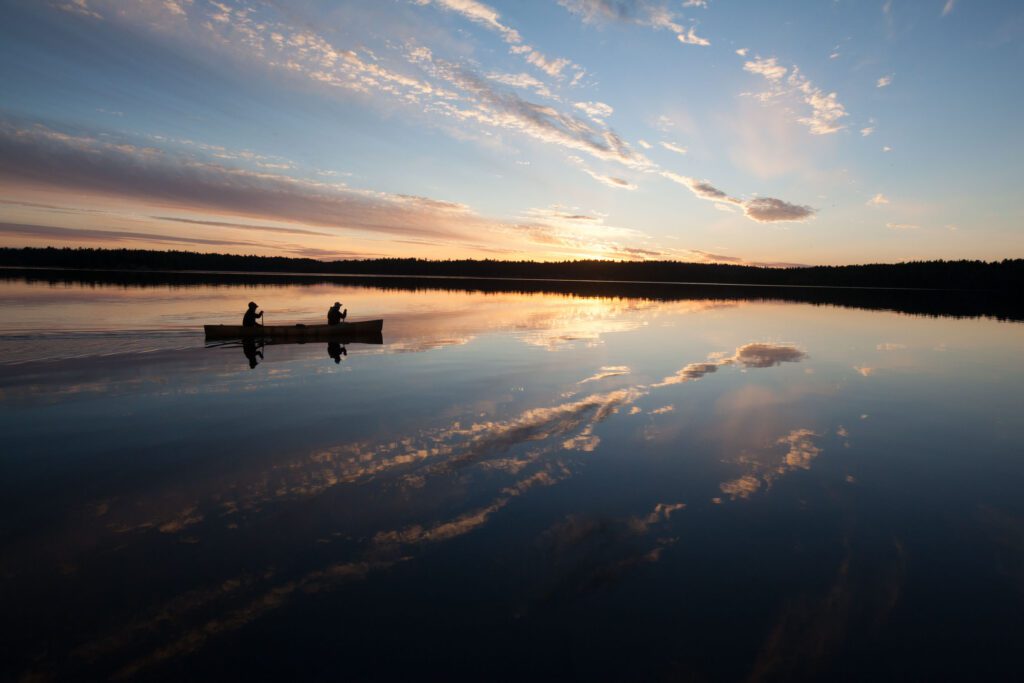
The Boundary Waters is the most visited Wilderness Area in the United States, and is part of a system of parks and wild public lands that stretches across the Canadian border. Home to 1,100 lakes, 237.5 miles of hiking trails, and 2,000 designated campsites, the 1.1 million acre Wilderness attracts thousands of visitors every year for activities such as camping, fishing, paddling, dog sledding, hunting, and hiking.
The vote will allow a Chilean-owned company to proceed with efforts to acquire leases. If allowed to mine, the company plans to ship the materials to China for processing – essentially putting one of America’s greatest landscapes at risk for foreign corporate interests. This move is hardly democratic and hardly America first.
Floor votes in both the House and the Senate passed nearly along party lines. Unfortunately the resolution received surprising support from some members of the House Public Lands Caucus and the Senate Stewardship Caucus, whose missions are to protect public lands and expand outdoor access, despite members hearing strong opposition from their on-the-ground business constituencies.
Notable champions spoke up for protecting the landscape, led by Senators Tina Smith (MN) and Martin Heinrich (NM), and also included Senators Amy Klobuchar (MN), Tom Tillis (NC), and Susan Collins (ME).
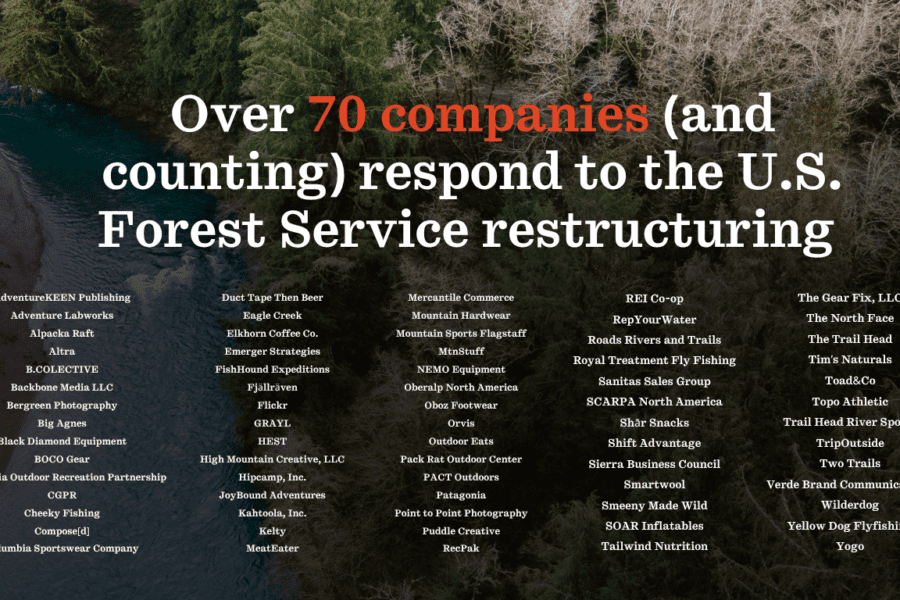
The Conservation Alliance, a coalition of approximately 200 businesses around the country working together to protect North America’s natural spaces and outdoor places, mobilized companies from across the U.S. to contact their representatives and senators, urging them to oppose H.R. 140 and the unprecedented use of the Congressional Review Act to eliminate current and future protections of this landscape. TCA and its business members have continued to communicate the business imperative of maintaining long-held land management processes and local feedback in public lands policies. Passing H.R. 140 is a clear example of decision makers ignoring this perspective and the long-term benefits that landscapes such as the Boundary Waters Canoe Area Wilderness provide to communities and the economy alike.
“The Boundary Waters is the birthplace of the Sven-Saw idea and so much more — some of earth’s cleanest water, abundant fish and wildlife, silence, clear air, rare plants and lichens, human rejuvenation, splendor, and awe. The BWCA is exponentially more valuable in perpetuity as a Wilderness Area than as short-term profits to a Chilean-owned copper mine, almost certain to continue the perfect record of polluting and life-killing copper-mine-failure/leakage.” – Linnea Swenson Tellekson, President, Sven Saw, Duluth, Minnesota
“Our critical Minnesota retail partner base, that we have cultivated over more than three decades, whose customers are vacationers, everyday outdoorsmen, or backyard birders, rely on the health of the Boundary Waters and the interconnected freshwater resources that are so vital to the strength of the state’s economy. Unfortunately, the health of this retail base, and likewise our bottom line, is at great risk due to this shortsighted vote.” – Molly Merkle, Publisher, AdventureKEEN
“Our nation’s public lands and waters form the very backbone of our business and our way of life. Places like the Boundary Waters fuel a powerful and resilient recreation economy in Northeastern Minnesota, including 17,000 jobs and more than $1 billion in sales each year—all as part of a $1.2 trillion outdoor economy. These public lands and waters are beautiful—and they mean business. By voting to remove Boundary Waters protections, our leaders set a dangerous precedent and ignored the voices of the American people. Because it’s not just those lands on the line, it’s us, their constituents and the rural economies and businesses those lands and waters support.” – Mark Deming, Chief Marketing Officer of NRS
“I’m deeply frustrated by this. Public Lands are the foundation of our business, industry, and a big part of why companies like ours exist at all. The Boundary Waters is a clear example of what’s at stake. It supports communities in Minnesota and fuels a much bigger outdoor economy nationwide. People travel there, explore it, and build livelihoods around it. That only works because it’s been protected. Using the Congressional Review Act to roll those protections back feels like a step in the wrong direction. It’s not just about this place. It sets a precedent that puts Public Lands across the country at risk. That should concern all of us who care about the future of the outdoors.” – Amy Beck, President, Oboz
“This White House continues to instruct Congress to choose mining companies and billionaires over the interest of local communities. As a result, the safeguards that protect our public lands are being systematically dismantled. This decision rescinds protections for more than 225,000 acres bordering the Boundary Waters Canoe Area Wilderness in Minnesota—the most-visited wilderness area in the country—and opens the door for a Chilean company to build a mine that threatens watersheds, forests and communities who rely on the health of the area for their livelihoods and outdoor recreation. It also creates a precedent for using the Congressional Review Act to eradicate public lands protection and management plans. Patagonia will continue to support Tribal and local communities and conservation partners in opposing this misguided decision.” – Patagonia CEO Ryan Gellert
“The Boundary Waters Canoe Area Wilderness is one of the nation’s most treasured recreation destinations. This 4.3-million-acre network of parks and wildlands supports world-class hiking, camping, and paddling, sustains Tribal treaty rights, and fuels Minnesota’s $13.5 billion outdoor recreation economy. Opening the door to sulfide-ore copper mining risks irreversible harm to the ecosystems and local economies that depend on this region.” – Matthew Thurston, REI Co-op DVP of Sustainability & Community Affairs.
About The Conservation Alliance
The Conservation Alliance is the leading business coalition for conservation. Uniting companies across industries, perspectives, and geographies, we harness the collective power of our members to protect lands and waters for future generations. Our dual top-down and bottom-up approach pairs corporate advocacy with funding for grassroots action on the ground. Investing in The Conservation Alliance is not only an investment in protecting the resources outdoor businesses depend on—it’s a way to strengthen the outdoor economy and ensure long-term business resilience. Since its founding in 1989, TCA and its members have helped protect over 125 million acres of and nearly 5,000 river miles by advocating for common-sense policies and granting $34.9 million to local groups to improve and protect critical landscapes across the country. With natural places facing a barrage of threats, they welcome all brands that value North American landscapes to join them in leveraging the power of business to drive conservation. For complete information about The Conservation Alliance, visit conservationalliance.com.
Media Contact:
Lilly Zoller
248-302-1553
[email protected]