
By David Añorga Cook
After 60 years, the fish have already come home.
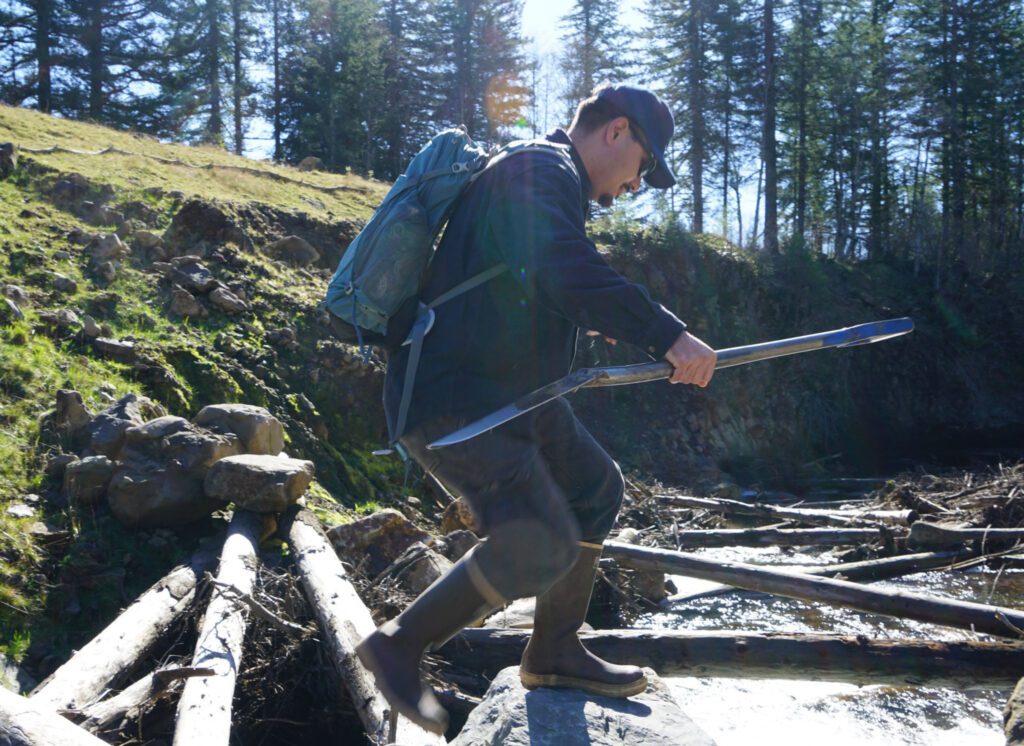
Following nearly a decade of partnership, the Columbia Land Trust and the Cowlitz Indian Tribe removed the aging Kwoneesum Dam—reopening a stretch of river that salmon and steelhead had been unable to reach for generations. The dam sat in the watershed of the Washougal River, close to the headwaters of Wildboy Creek. By taking it out, the partners reopened more than 6.5 miles of habitat for salmon and steelhead and improved ecological conditions across the broader river system.
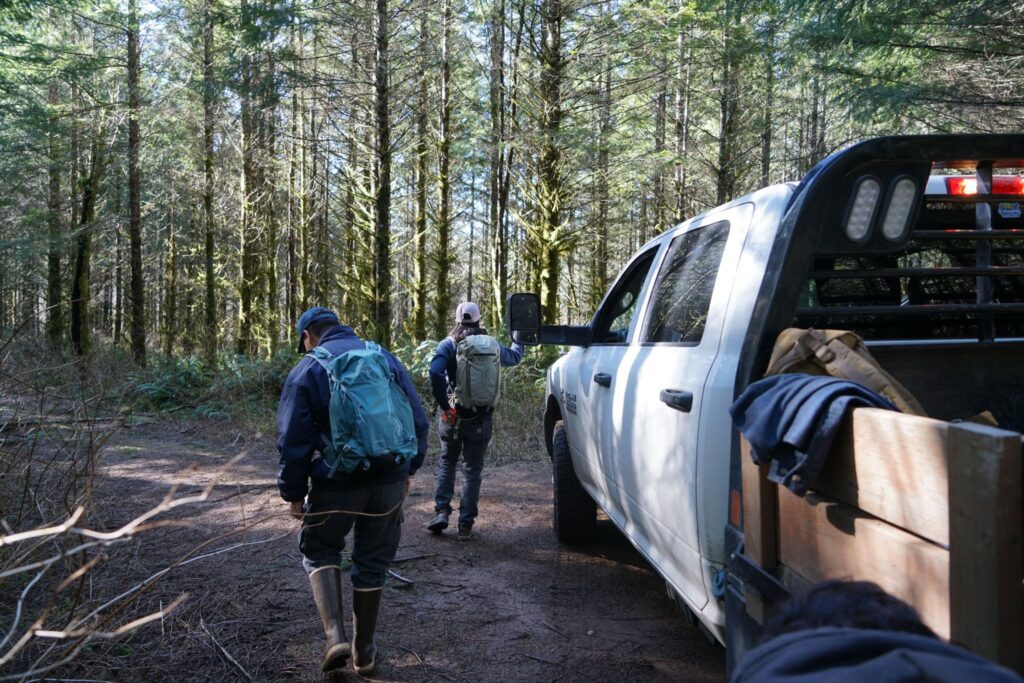
The structure itself dated back to 1965, when a youth organization built it to create a recreational lake for a girls’ camp. By the late 1980s the camp had closed and the land had been sold to an industrial timber company. Yet the dam remained long after its purpose disappeared and continued to block fish from miles of upstream tributaries. It also warmed the river system to temperatures that negatively impacted fish populations and overall ecosystem health.
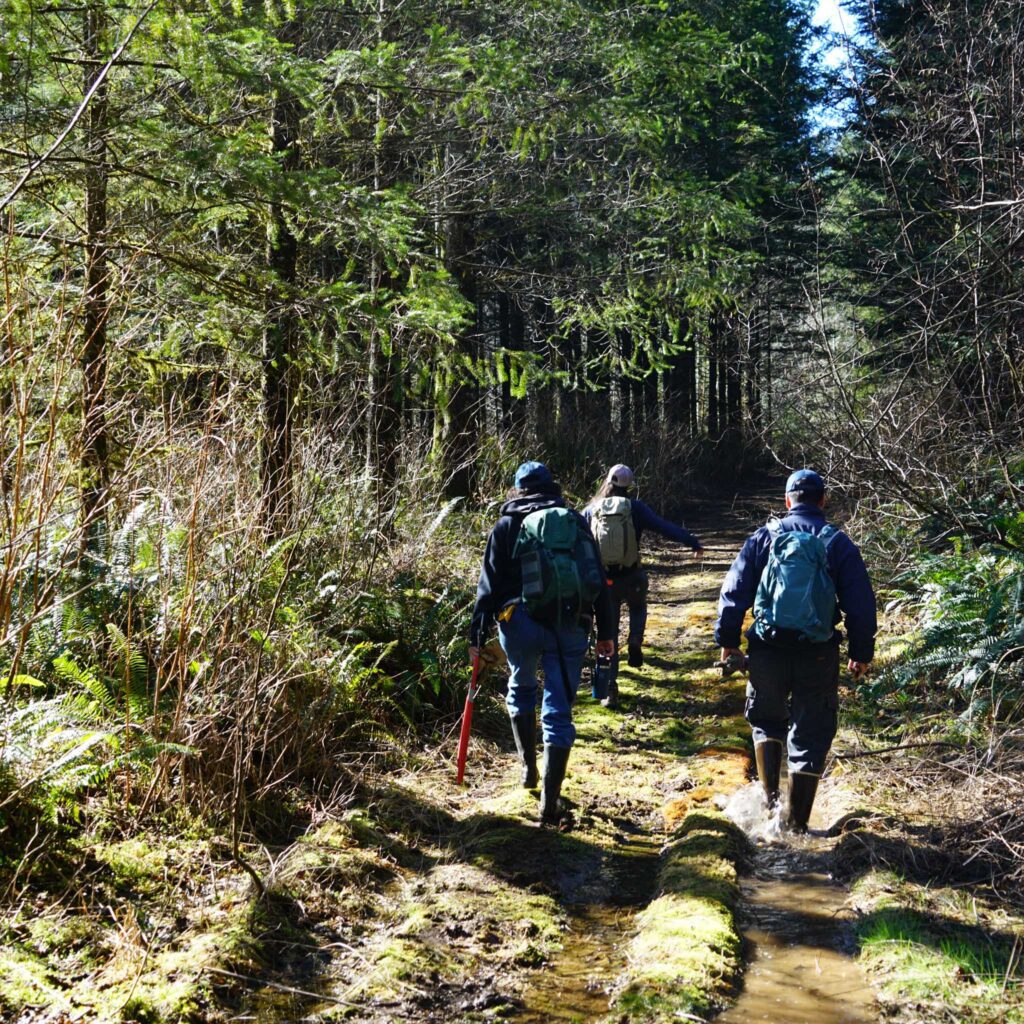
The path to removal unfolded in stages. In 2020, Columbia Land Trust purchased 1,300 acres of forest surrounding the abandoned 55-foot dam. Funding came together from partners like The Conservation Alliance. Permits were secured. And in 2024, the Cowlitz Indian Tribe led the deconstruction, a five-month project of incredible complexity. The nine-acre reservoir behind the structure held roughly 20 million gallons of water. Draining it safely, while temporarily diverting upstream tributaries around the construction area, was one of the project’s most challenging phases.
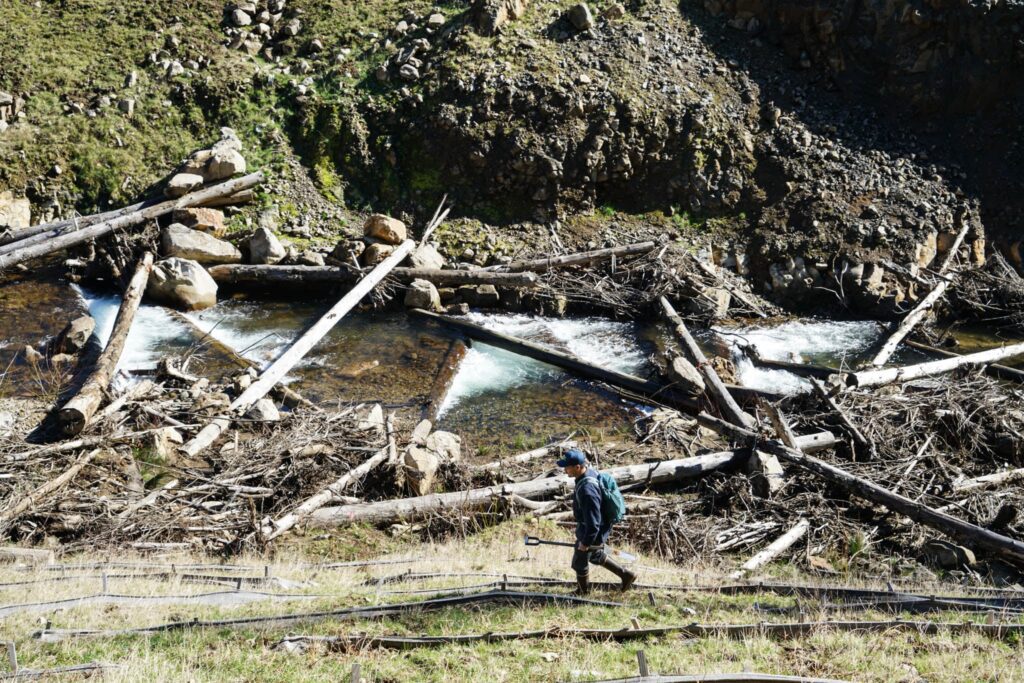
With the barrier gone and further restoration efforts underway, natural river processes are returning to this part of the watershed. Over time, sediment will move again, channels will shift, and habitat will rebuild itself. In an incredible, early sign of this ecosystem’s recovery, steelhead have already returned to the area previously blocked by the dam.
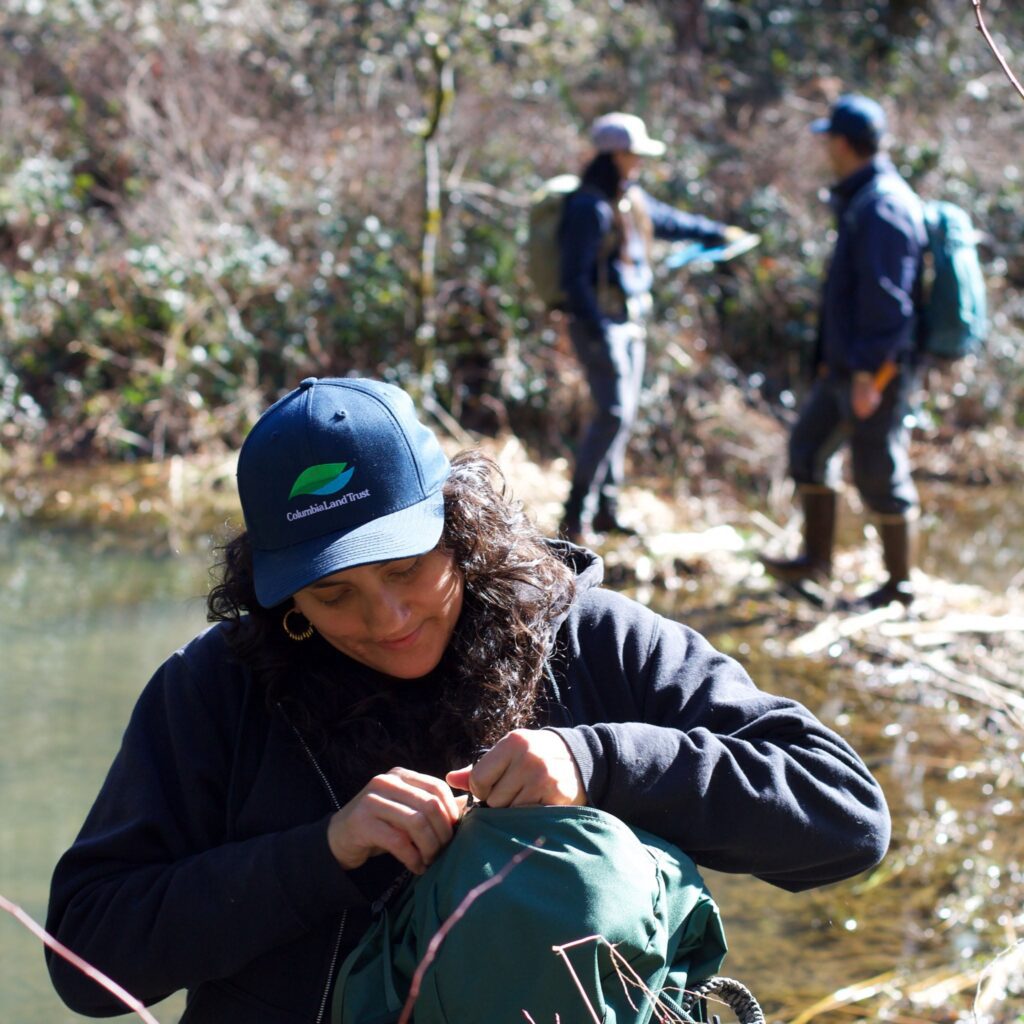
Moving forward, Columbia Land Trust will also continue to care for more than 1,000 acres of surrounding forest, guiding it toward more complex, older forest conditions that support wildlife and strengthen watershed function. As the forest surrounding the creek grows, it will help keep water temperatures cool and maintain more favorable conditions for fish and other wildlife.
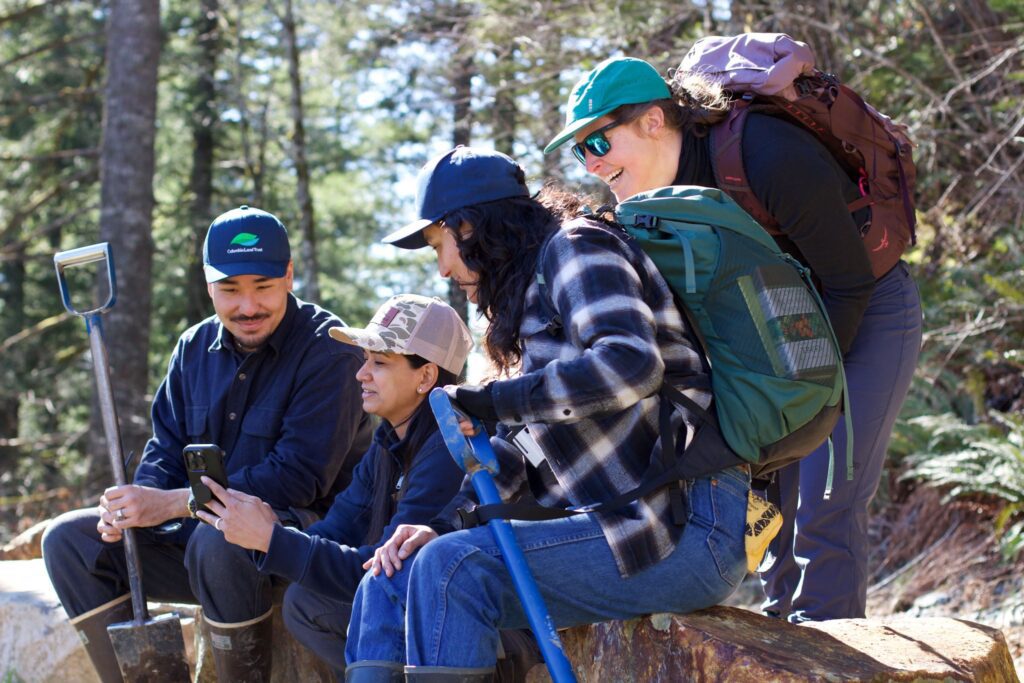
This inspiring project highlights what’s possible when people come together to care for and conserve land. Columbia Land Trust works with farmers, Tribes, foresters, rural and urban communities to achieve outcomes that wouldn’t be otherwise possible. And with the support of The Conservation Alliance business members, like Osprey, we can protect and restore nature at a scale that truly matters for our generation and the ones that follow.
WATCH THE FILM
Columbia Land Trust
Columbia Land Trust brings together farmers, Tribal Nations, foresters, and rural and urban communities to conserve and care for the lower Columbia River region. Since 1991 the Land Trust has conserved more than 64,000 acres in Oregon and Washington.
The Conservation Alliance
The Conservation Alliance is the leading business coalition for conservation. Uniting companies across industries, perspectives, and geographies, we harness the collective power of our members to protect lands and waters for future generations. Our dual top-down and bottom-up approach pairs corporate advocacy with funding for grassroots action on the ground. Investing in The Conservation Alliance is not only an investment in protecting the resources outdoor businesses depend on—it’s a way to strengthen the outdoor economy and ensure long-term business resilience.To become a member, go here. To make a one time or recurring donation, go here.
This story was originally featured by Osprey, a TCA member company, and is being reposted with their permission. The original article can be found here.